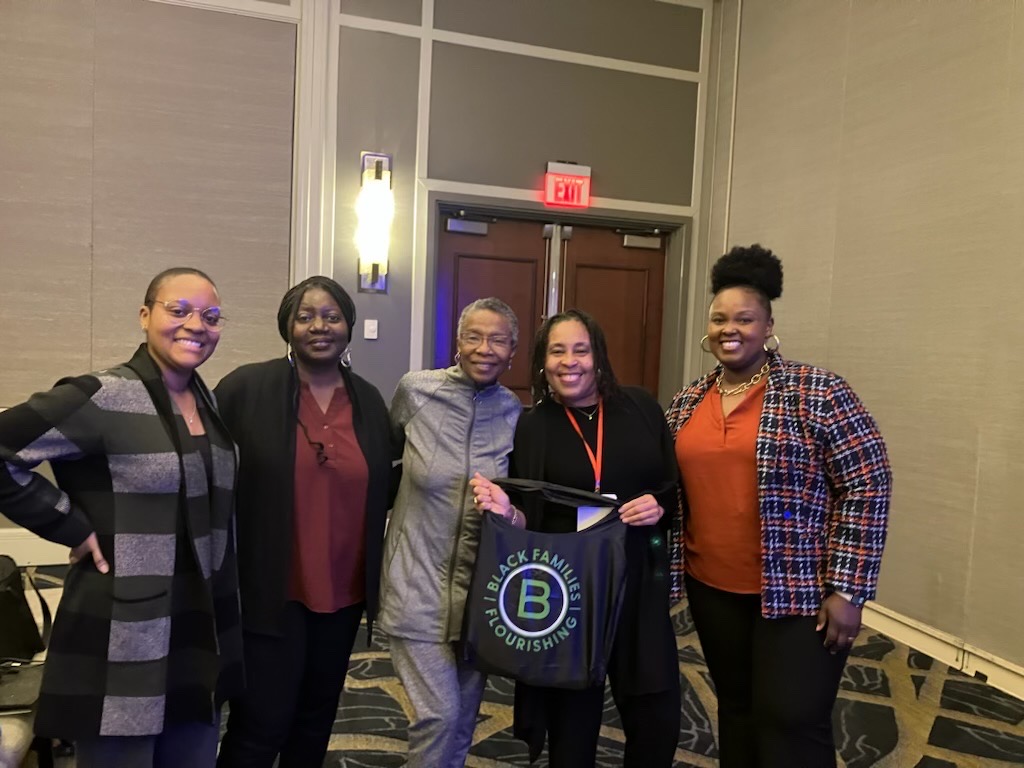
Every month, the Black Families Flourishing (BFF) team gathers for our Flourishing Friday Speaker Series to learn from and engage with researchers whose work contributes to better understanding Black family flourishing. Since launching the series, we have been grateful to have been joined by three speakers with expertise in ethnicity and immigration. Learn more about their work below, and if this is an area of interest for you, we encourage you to connect with these researchers.
Dr. Nana Afua Brantuo, Strategic Praxis Advisory, LLC
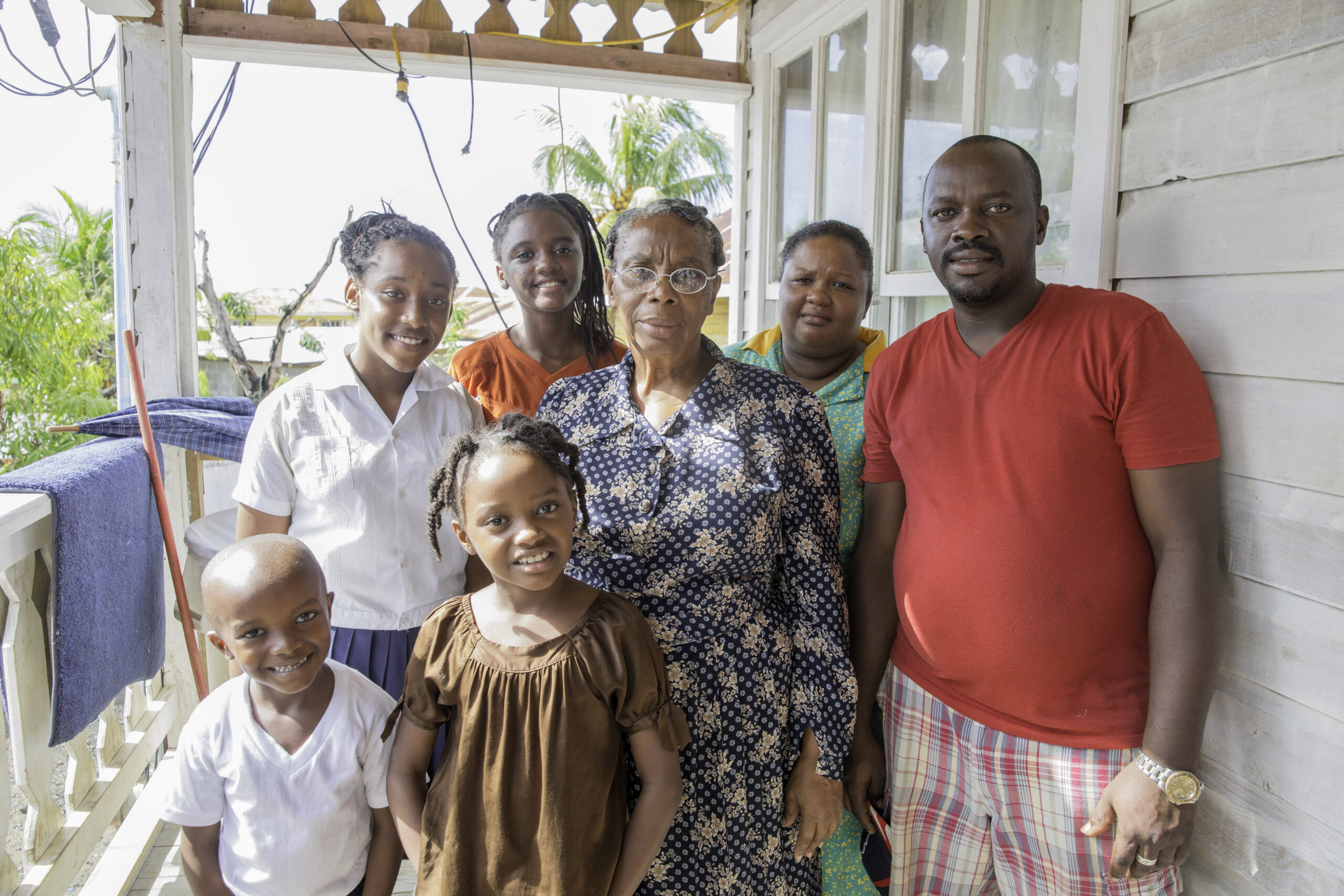
Dr. Brantuo’s work examines how education and migration governance shape the lives of people and communities across Africa and the African diaspora. In her BFF presentation, Dr. Brantuo gave an overview of Black migrant families in the United States and challenged assumptions that reduce Black migrant experiences to one narrative of educational or economic advantage. Instead, she highlighted how diverse this population is in national origin, migration pathway, legal status, generation, and family circumstances. Read Dr. Brantuo’s reflections about her BFF presentation on LinkedIn.
Dr. Michelle Bueno Vásquez (BFF topical and technical advisor), Princeton University
Dr. Bueno Vásquez studies the politics of race and inequity, particularly for Afro-Latinos, and seeks to identify better ways to gather and measure data for racial minorities in the United States. She spoke with us about how Afro-Latinos are officially invisible with their lack of representation in the U.S. census (see her Washington Post opinion piece on this topic), and we discussed how BFF’s upcoming nationally representative survey can increase visibility to the diversity of this population in our country.
Dr. Pearl Stewart, Montclair State University
As a professor in the Family Science and Human Development College for Community Health, Dr. Stewart studies cultural connections between West African and African American families, as well as the diversity of Black families in the United States. During her time with our team, she shared research findings and lessons learned about the transfer of cultural assets across Black Africans and Americans, as well as the similarities and differences in the ways that kinship care is accessed and used. Her work is critical for helping to think through the intra-ethnic connections among Black families in the United States and abroad, which is underexamined in research.
Are you or other researchers, practitioners, or community leaders in your life doing work that advances understanding of Black families and communities? Share your recommendations with us at blackfamiliesflourish@childtrends.org.